
Feeling overwhelmed by conflicting nutrition advice? You’re not alone. Between trendy superfoods and strict diets, it’s easy to forget that eating well is actually pretty simple.
Good nutrition isn’t about perfection; it’s about building sustainable habits that fuel your body and mind. We’ve cut through the noise to bring you 10 practical nutrition tips that are easy to implement and powerful in their impact. These are the foundational rules that nutritionists and health experts agree on, and they can help you lose weight, gain energy, and improve your health without a complicated diet plan.
Let’s dive in.
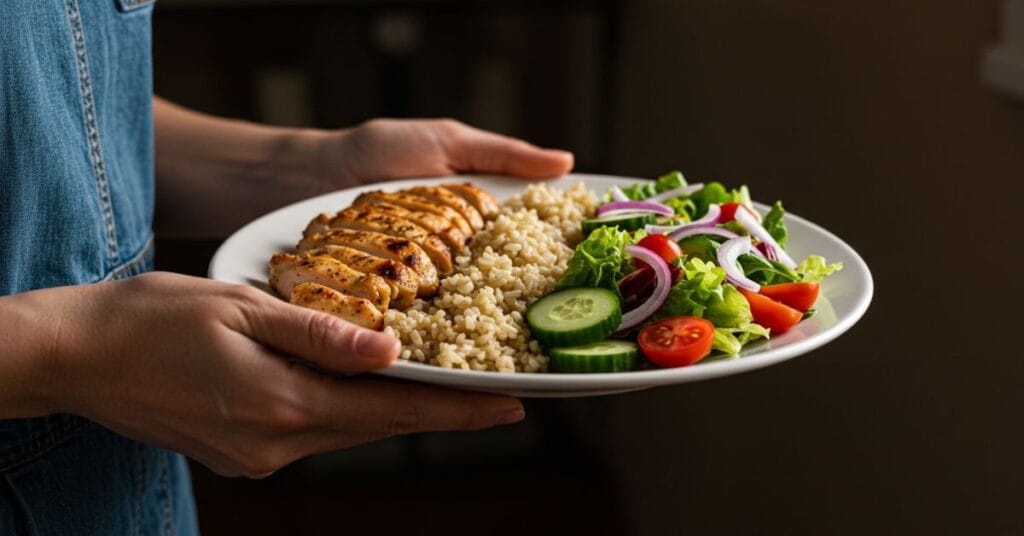
1. Master the Half-Plate Rule
This is perhaps the simplest and most effective strategy for balanced eating. Aim to fill half of your plate with non-starchy vegetables and fruits at every meal.
Why it works: Vegetables are low in calories but high in volume, fiber, vitamins, and minerals. By filling half your plate, you naturally crowd out less healthy options, increase your nutrient intake, and feel full and satisfied. Think leafy greens, broccoli, peppers, carrots, and tomatoes.
2. Prioritize Whole Foods Over Processed Foods
This is the golden rule of nutrition. Focus on eating foods that are as close to their natural state as possible.
What to do: Choose an apple over apple juice, grilled chicken breast over chicken nuggets, and whole oats over sugary cereal. Processed foods are often loaded with added sugars, unhealthy fats, and sodium while being stripped of their natural fiber and nutrients.
3. Don’t Drink Your Calories

Liquid calories are the easiest to overconsume because they don’t trigger the same feelings of fullness as solid food. Aim to eliminate sugary sodas, juices, and fancy coffee drinks.
The swap: Make water your primary beverage. For a flavor boost, try infusing it with lemon, cucumber, or mint. Unsweetened tea and coffee are also excellent choices. This one change can significantly reduce your daily sugar and calorie intake.
4. Protein is Your Secret Weapon for Fullness
Including a source of lean protein in every meal is a game-changer for controlling hunger and maintaining muscle mass.
Great sources: Greek yogurt, eggs, chicken breast, fish, lentils, beans, and tofu. Protein takes longer to digest, keeping you feeling full and energized for hours and preventing those mid-afternoon snack cravings.
5. Hydrate, Hydrate, Hydrate (Especially Before Meals)
The benefits of drinking enough water cannot be overstated. It aids digestion, improves skin health, and boosts energy levels.
Pro Tip: Drink a large glass of water 20-30 minutes before each meal. This simple habit promotes a sense of fullness, helping you eat more mindfully and avoid overeating.
6. Read Labels: Beware of Hidden Sugars and Sodium
You can’t make informed choices without knowing what’s in your food. Get into the habit of glancing at nutrition labels.
What to look for: Focus on the “Added Sugars” and “Sodium” lines. You’ll be shocked where sugar hides—in pasta sauce, bread, and “healthy” yogurts. Opt for products with the shortest ingredient lists and names you recognize.
7. Embrace Healthy Fats
For years, fat was unfairly demonized. Healthy fats are essential for brain health, vitamin absorption, and hormone function.
Include these: Avocado, nuts (almonds, walnuts), seeds (chia, flaxseed), and olive oil. These fats are incredibly satiating and add delicious flavor to your meals.
8. Plan and Prep Your Snacks
Willpower often fails when hunger strikes unexpectedly. The solution? Be prepared with healthy snacks.
Easy ideas: Keep fruit on the counter, pre-cut vegetables in the fridge, or a small container of almonds in your bag. Having healthy options readily available prevents you from reaching for a bag of chips or a candy bar when you get hungry.
9. Shop the Perimeter of the Grocery Store
This is a classic tip for a reason. The perimeter of the store is typically where you find the whole, fresh foods: produce, meat, seafood, and dairy. The inner aisles are usually filled with more processed, packaged goods.
Your strategy: Spend most of your time and budget on the perimeter, only venturing into the aisles for specific pantry staples like canned beans, whole grains, and spices.
10. Spice It Up, Don’t Sauce It Up
Creamy, sugary sauces and dressings can turn a healthy meal into a calorie bomb. Flavor your food with herbs, spices, citrus, and vinegar instead.
Examples: Try rosemary on chicken, cumin on black beans, or a simple squeeze of lemon and drizzle of olive oil on a salad. You’ll add incredible flavor without the unwanted calories, sugar, and sodium.
The Most Important Tip of All: Be Kind to Yourself
Nutrition is a journey, not a destination. You will have days where you don’t follow these tips perfectly, and that’s okay. Progress, not perfection, is the goal. Focus on incorporating one or two of these tips at a time until they become habit. Building a healthy relationship with food is the ultimate key to long-term success.