
Reading time: 5 minutes
How to Ease Back Pain: 10 Tips for Lasting Relief
If you’re searching for solutions to that nagging ache in your back, you are far from alone. Back pain is one of the most common medical problems worldwide, affecting millions of people and impacting daily life. Whether it’s a sharp, sudden sting or a constant, dull ache, finding relief is a top priority.
The good news? While severe cases require a doctor’s attention, most everyday back pain can be significantly improved with simple, consistent habits. This guide provides 10 proven tips to reduce back pain, improve mobility, and get you back to living your life pain-free.
Understanding Your Back Pain

Before we dive into the solutions, it’s important to listen to your body. Acute back pain often comes from a specific incident and may last a few days to weeks. Chronic back pain persists for more than three months.
This advice is geared toward common muscular pain. If your pain is severe, accompanied by fever, leg weakness, or loss of bladder/bowel control, seek immediate medical attention.
This advice is geared toward common muscular pain. If your pain is severe, accompanied by fever, leg weakness, or loss of bladder/bowel control, seek immediate medical attention.
1. Strengthen Your Core (The #1 Rule)
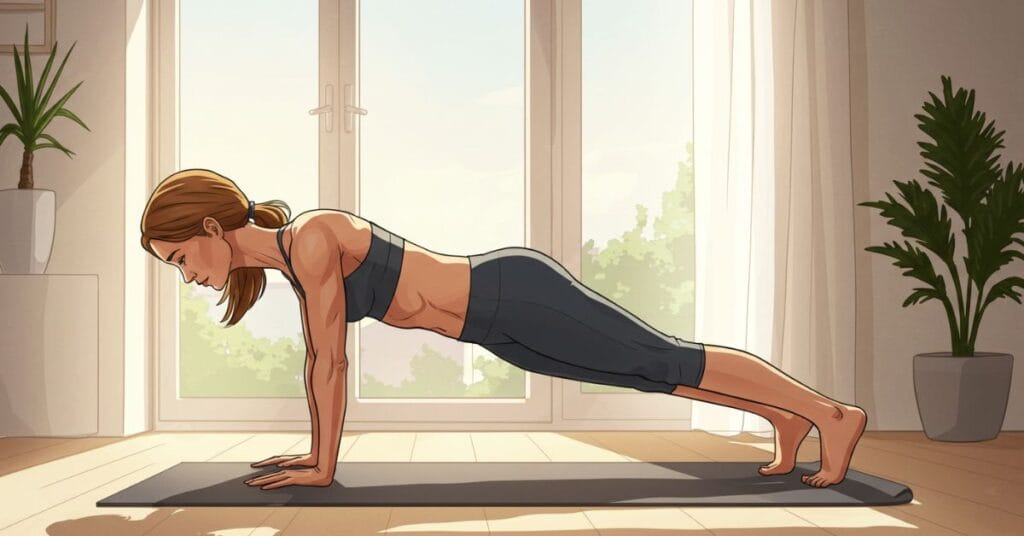
Think of your core muscles as a natural back brace. A strong core supports your spine, taking pressure off your lower back.
Why it works: Weak abdominal muscles force the smaller stabilizers in your back to overwork, leading to strain.
Best Exercises: Focus on low-impact, core-stabilizing moves like planks, bird-dogs, and bridges. Avoid sit-ups, which can strain the back.
Pro Tip: Aim for 10-15 minutes of core work most days of the week. Consistency is key.
2. Stretch Your Hip Flexors and Hamstrings
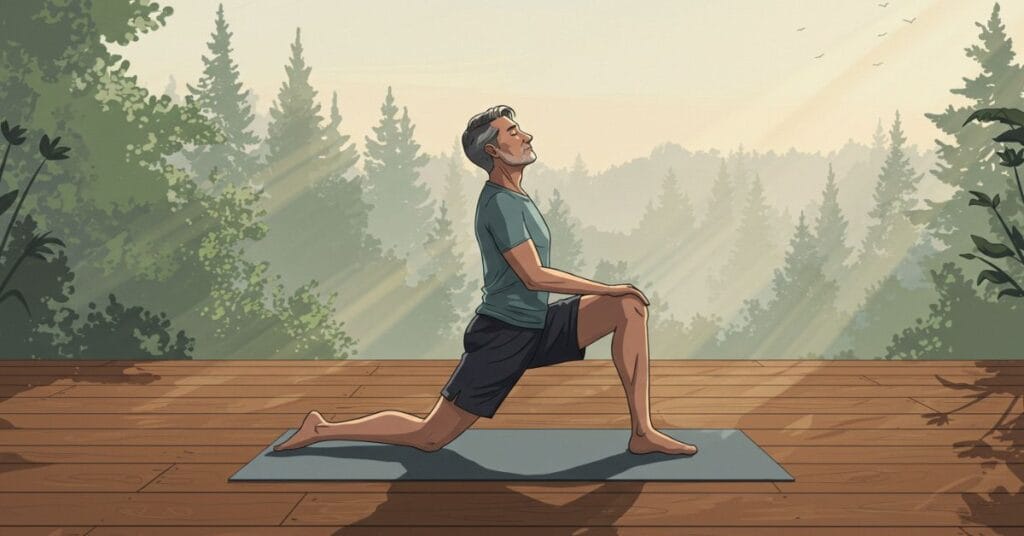
Sitting all day shortens your hip flexors and tightens your hamstrings, which pull on your pelvis and create lower back pain.
Why it works: Stretching these areas relieves tension and helps realign your pelvis to its natural position.
Best Stretches: Try a kneeling lunge for hip flexors and a seated hamstring stretch. Hold each for 30 seconds.
Pro Tip: Incorporate these stretches into a daily routine, especially after long periods of sitting.
3. Prioritize Posture and Ergonomics
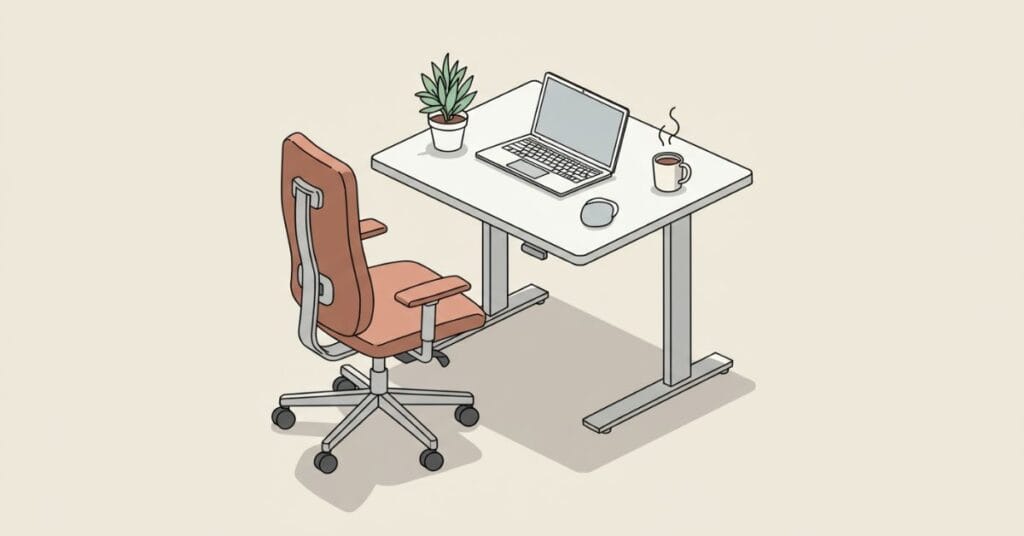
How you sit and stand is a major contributor to back pain. Improving your workspace ergonomics is a powerful form of pain prevention.
Sitting: Choose a chair with good lumbar support. Keep your feet flat on the floor and your screen at eye level.
Standing: When standing, keep your weight balanced on both feet.
Pro Tip: Use a standing desk or set a timer to stand up, walk, and stretch every 30 minutes.
4. Optimize Your Sleep Setup

You spend a third of your life in bed—make it count for your back health.
Best Sleep Positions:
Side Sleepers: Place a pillow between your knees to keep your hips and spine aligned.
Back Sleepers: Put a pillow under your knees to maintain the natural curve of your spine.
Mattress: A medium-firm mattress is generally best for back pain support, but comfort is subjective.
5. Apply Heat and Cold Therapy
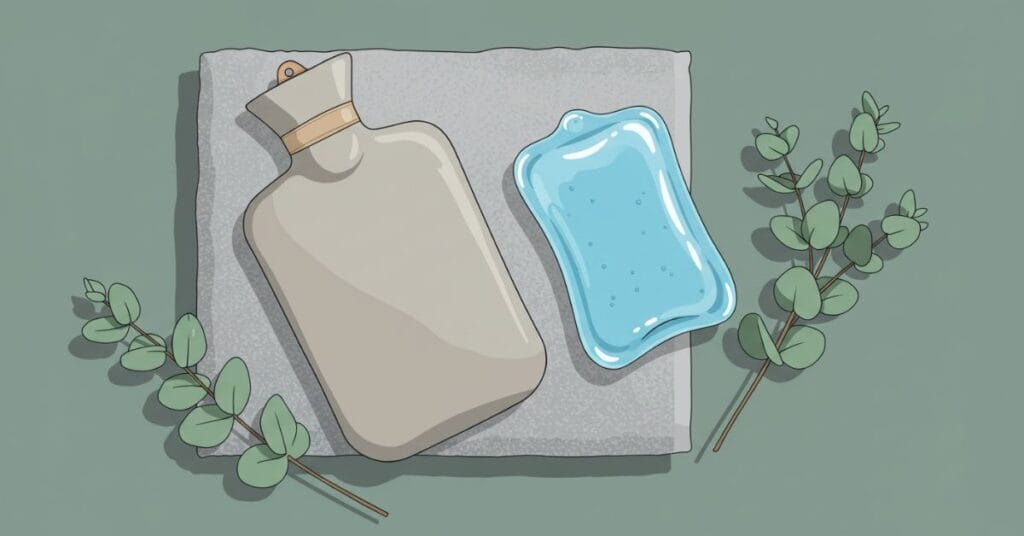
Knowing when to use heat or ice can provide immediate back pain relief.
Ice Packs: Use for acute pain or new injuries (first 48 hours) to reduce inflammation. Apply for 15-20 minutes.
Heating Pads: Use for chronic pain or muscle stiffness to relax tight muscles and improve blood flow. Apply for 15-20 minutes.
6. Stay Hydrated

The discs in your spine are mostly water. Dehydration can cause them to shrink, reducing their ability to cushion your vertebrae.
Why it works: Proper hydration keeps these discs plump and functional, preventing pain from disc-related issues.
Pro Tip: Drink water consistently throughout the day. Don’t wait until you’re thirsty.
7. Choose Low-Impact Exercise

Movement is medicine. Staying active prevents stiffness and strengthens supporting muscles.
Best Activities: Walking, swimming, water aerobics, and yoga are excellent low-impact exercises that promote back health without jarring the spine.
Pro Tip: Start slow and gradually increase duration. Listen to your body and stop if you feel sharp pain.
8. Mind Your Lifting Technique
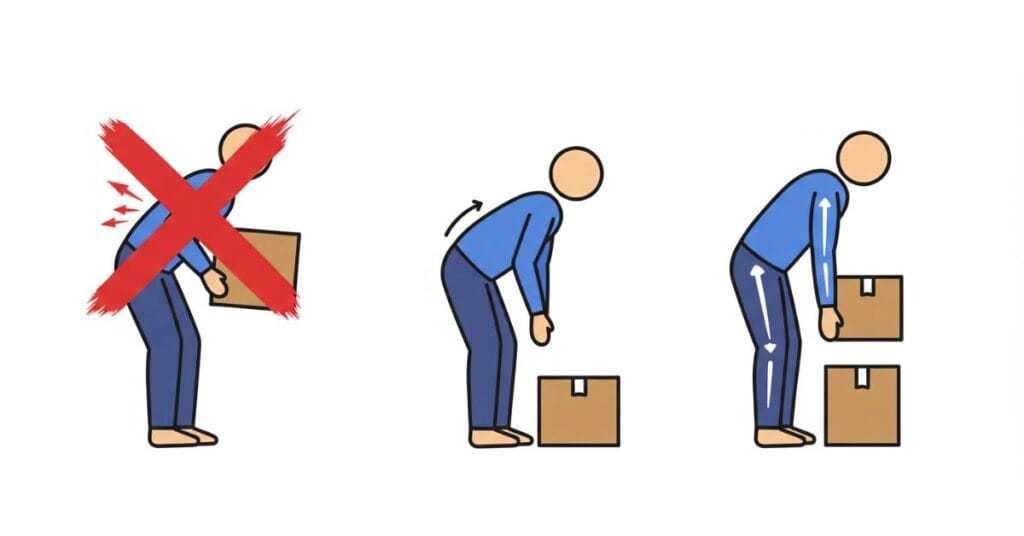
Lifting incorrectly is a classic cause of back strain.
Proper Form: Bend at your knees, not your waist. Keep the object close to your body, and use your leg muscles to power the lift. Never twist while lifting.
Pro Tip: If something is too heavy, ask for help. Your back isn’t worth the risk.
9. Invest in Supportive Footwear
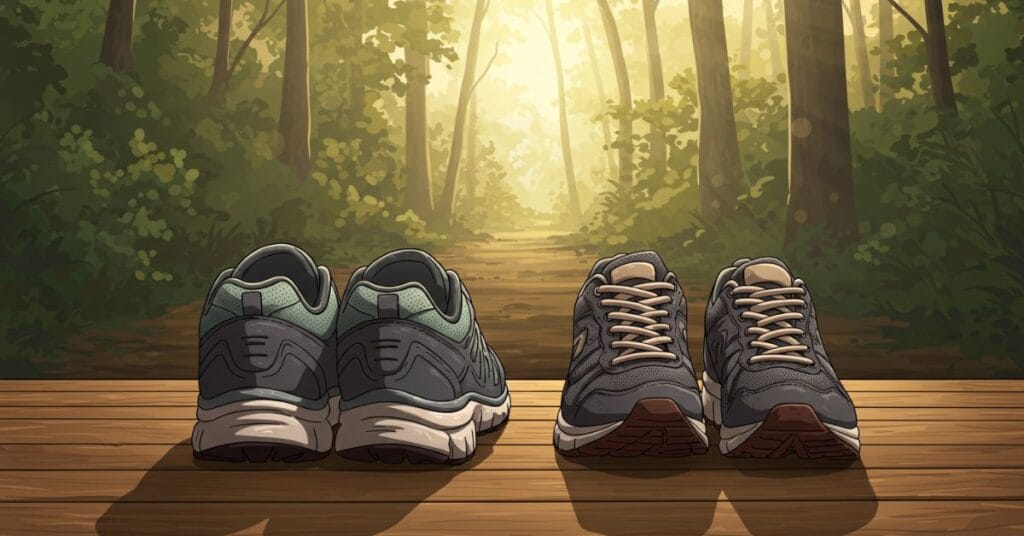
Your foundation matters. Worn-out or unsupportive shoes disrupt your gait, affecting your ankles, knees, hips, and back.
Why it works: Supportive shoes promote proper alignment from the ground up, reducing strain on your back
Pro Tip: Avoid high heels for extended periods and replace old shoes that have lost their arch support.
10. Know When to See a Doctor or Physical Therapist
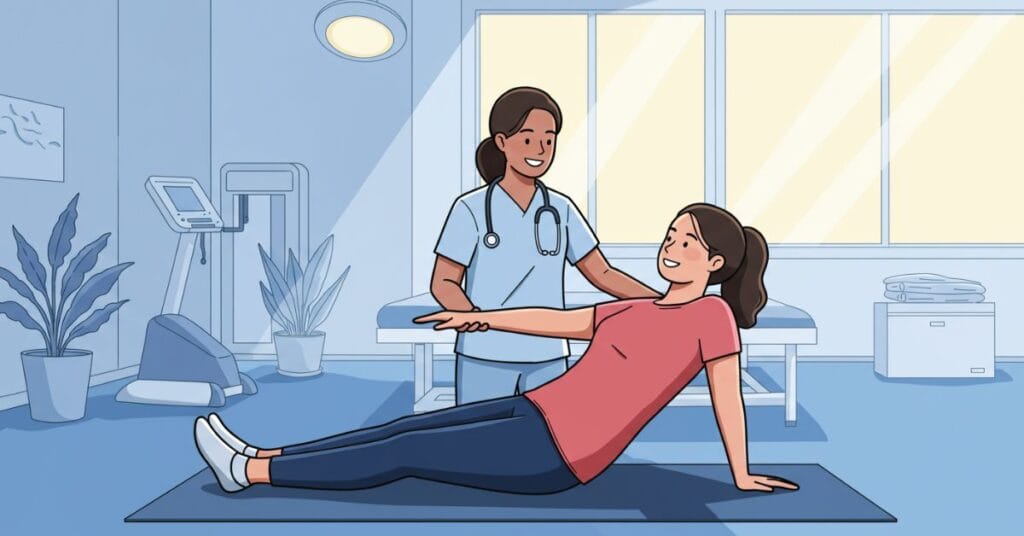
See a Physical Therapist: A PT can provide a personalized diagnosis and a targeted exercise plan to address your specific imbalances—this is often the fastest path to recovery.
Final Thoughts on Back Pain Management

Managing back pain is often a journey, not a single destination. By incorporating these tips into your daily routine—focusing on core strength, flexibility, and smart daily habits—you can build a resilient back that supports you for years to come.
Disclaimer: This article is for informational purposes only and does not constitute medical advice. Always consult with a qualified healthcare professional for diagnosis and treatment of medical conditions.