
☕️ 4 min read.

Discovering 15 natural ways to relieve joint pain can be the first step toward taking back control of your mobility and comfort. For those seeking alternatives to medication, these proven methods leverage simple lifestyle changes and holistic remedies to reduce inflammation and ease discomfort effectively.
This guide compiles the top natural methods, backed by community wisdom and practical experience, to help you manage discomfort, improve mobility, and reclaim your active life.
1. Harness the Power of Heat and Cold Therapy
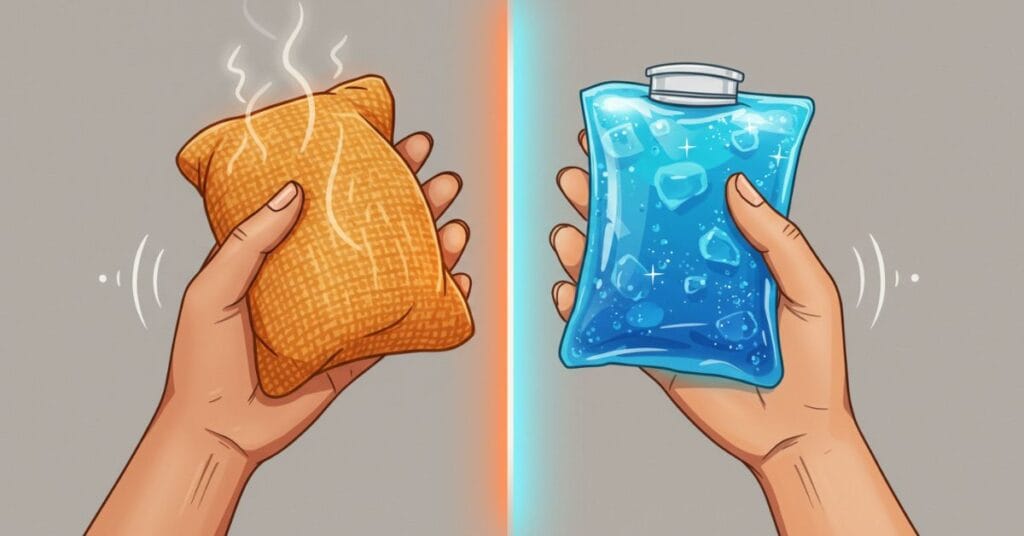
Knowing when to use heat or cold is your first line of defense against joint pain.
Use Cold for Swelling: Apply an ice pack (wrapped in a towel) to a joint that is hot, swollen, or acutely painful. Cold therapy numbs the pain and reduces inflammation, making it perfect for flare-ups.
2. Stay Hydrated to Lubricate Your Joints

Your cartilage is mostly water. When you’re dehydrated, cartilage can become brittle, increasing friction and pain. Making a conscious effort to stay hydrated is one of the simplest yet most overlooked ways to support joint health naturally.
3. Embrace Low-Impact Movement

The mantra “motion is lotion” is key. Keeping joints mobile prevents them from seizing up.
Swimming and Water Aerobics: The buoyancy of water supports your body weight, making it the ultimate low-impact exercise for painful joints.
Walking: A daily walk is a fantastic way to maintain mobility without high-impact stress.
Stretching and Gentle Yoga: Regular stretching improves flexibility, reduces stiffness, and maintains your range of motion.
4. Build Strength for Joint Support
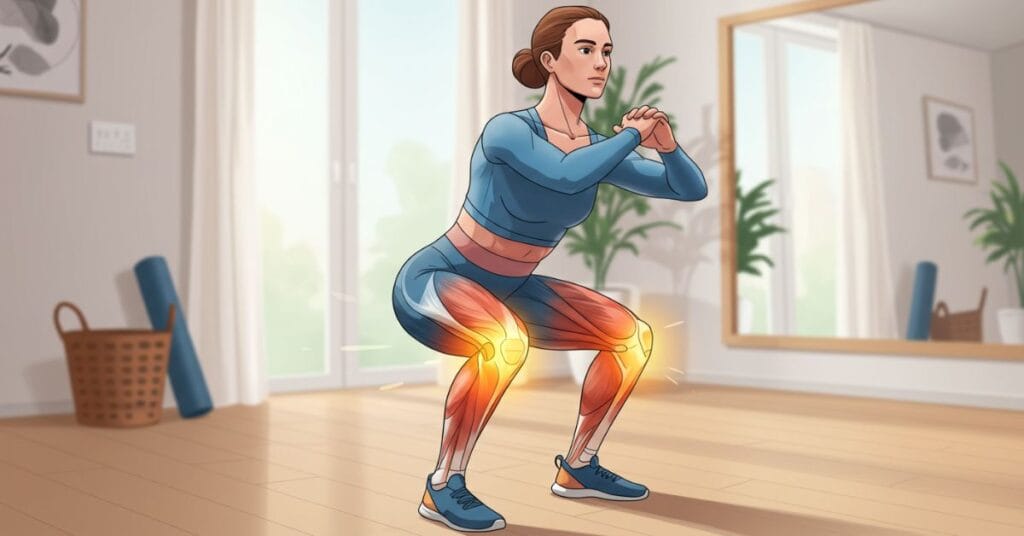
Strong muscles act as natural shock absorbers for your joints. Focus on gentle strength training that targets the muscles surrounding your most problematic joints. This provides stability and reduces the load on the joints themselves.
5. Identify Your Inflammatory Food Triggers

Diet and inflammation are intimately linked. An anti-inflammatory diet can significantly reduce joint pain for many people. Common triggers include:
Sugar and Highly Processed Foods
Alcohol
For some, Nightshade Vegetables (tomatoes, potatoes, peppers, eggplant)
For others, Gluten
Try an elimination diet to identify your personal food sensitivities.
6. Manage Your Weight

This is one of the most powerful natural pain relief strategies. Every extra pound you carry puts multiplied stress on your weight-bearing joints (knees, hips, ankles). Weight management is a proven method to reduce pain and slow the progression of joint wear.
7. Prioritize Quality Sleep and Rest

Pain and fatigue create a vicious cycle. Poor sleep can heighten pain sensitivity, while pain can disrupt sleep. Prioritizing sleep hygiene and listening to your body’s need for rest is non-negotiable for managing chronic pain.
8. Actively Manage Your Stress

Stress is a known trigger for inflammation and pain flare-ups. Techniques like meditation for pain relief, mindfulness, and deep breathing exercises can calm your nervous system and help manage your body’s pain response.
9. Soothe Aches with Epsom Salt Baths

A warm bath with Epsom salt (Magnesium Sulfate) is a time-tested home remedy for joint pain. The warm water relaxes muscles, while the magnesium is absorbed through the skin, helping to ease widespread achiness and stiffness.
10. Use Supportive Gear and Adaptive Tools
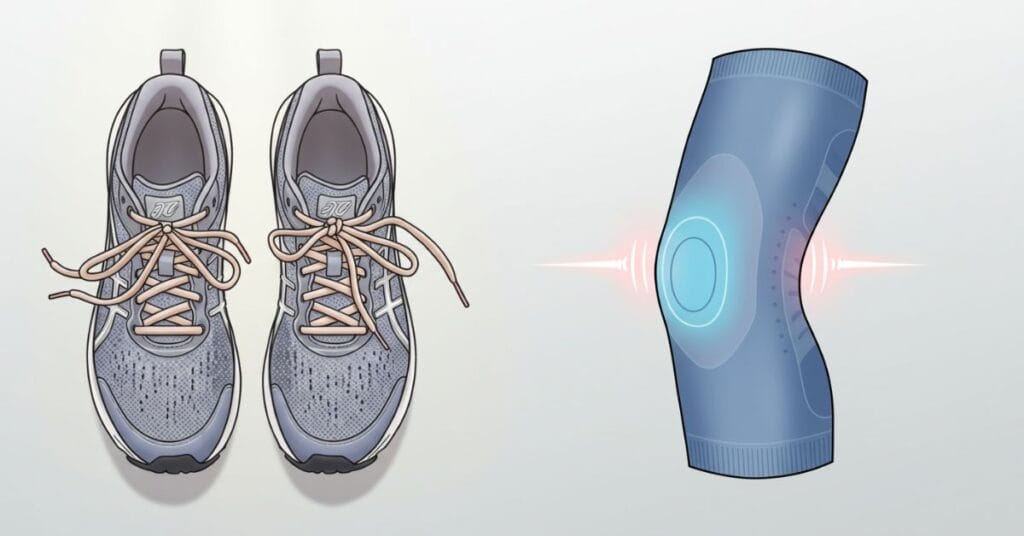
Don’t be afraid to use tools that make life easier. This is a sign of wisdom, not weakness.
Supportive Footwear: Shoes with good arch support are fundamental for foot, knee, and hip health.
Compression Wear: Sleeves or gloves can provide a comforting sense of stability and reduce swelling.
Adaptive Tools: Jar openers, ergonomic knives, and lever-style door handles can significantly reduce daily strain on your hands and wrists.
11. Practice Pacing and Listen to Your Body
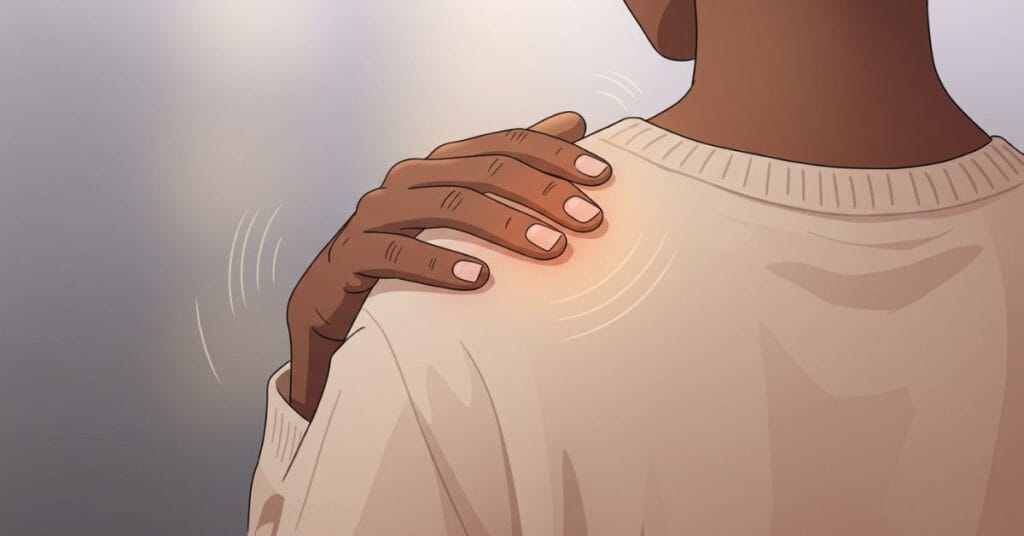
Avoid the “boom-and-bust” cycle where you overdo it on a good day and pay for it the next. Pacing activities and breaking tasks into smaller chunks helps conserve energy and prevent painful flare-ups.
12. Maintain Good Posture
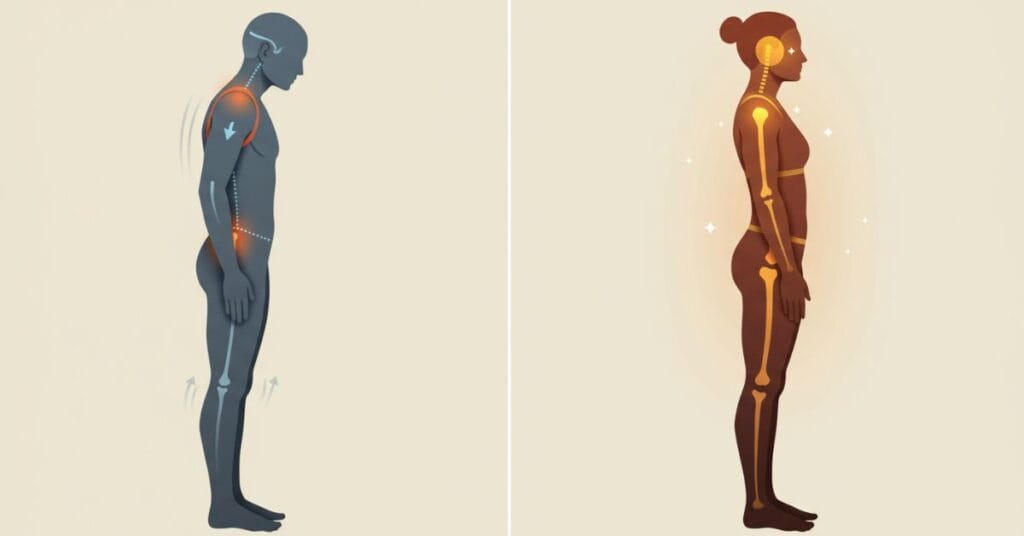
Whether you’re sitting at a desk or standing in line, good posture ensures your joints are aligned correctly. This prevents unnecessary strain on your back, neck, hips, and knees.
13. Improve Your Sleep Environment

Take tip #7 a step further by optimizing your bedroom. Invest in a supportive mattress and pillows that keep your spine in neutral alignment. This can make a dramatic difference in reducing morning pain and stiffness.
14. Focus on Footwear Throughout the Day
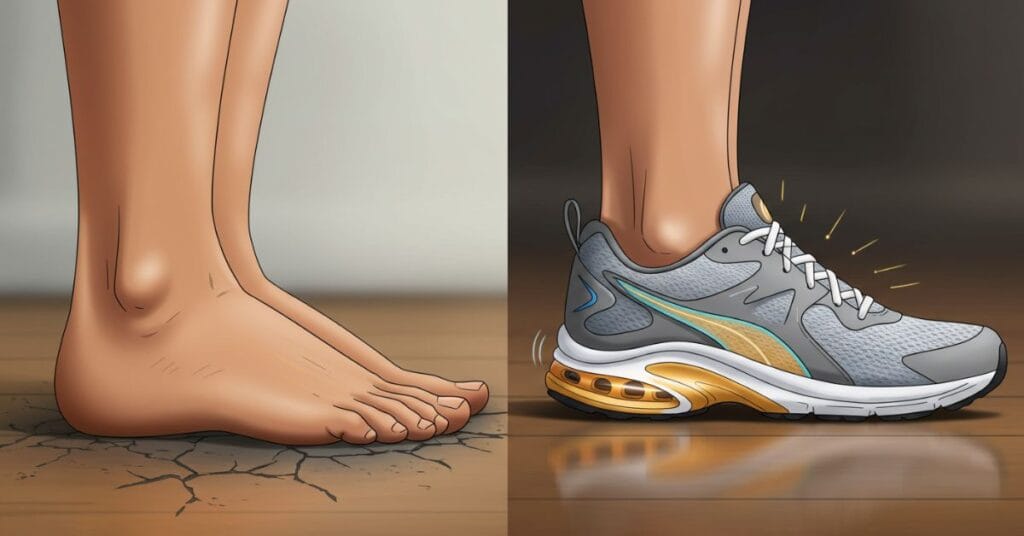
Don’t just wear supportive shoes for walks. Wear comfortable, supportive shoes with a firm sole even at home or the office. Avoid going barefoot or wearing unsupportive flips-flops on hard surfaces, which can stress the joints in your feet, knees, and hips.
15. Incorporate Mindful Movement Breaks

If you sit for long periods, set a timer to get up every 30 minutes. Take one minute to gently stretch your wrists, neck, shoulders, back, and legs. These frequent, small movement breaks are more effective than one long stretch at preventing stiffness.
Your Journey to Natural Pain Management Starts Now
Managing joint pain naturally is a holistic journey. It’s about combining movement, mindfulness, and daily habits to create a sustainable, low-pain life. Start by incorporating one or two of these strategies, and gradually build a routine that works for your body. Hope this natural ways to relieve joint pain helps in your day by day routines.
Disclaimer: This article offers natural wellness tips and is not a substitute for professional medical advice. Always consult with a healthcare provider, like a rheumatologist, for a proper diagnosis and personalized treatment plan, especially for conditions like arthritis.